OWN / Educational guide 02
The ownership blueprint: LLCs, holding companies, and trusts
Three common ownership tools, explained plainly: what each one is, what it is typically used for, and the questions to bring to a professional before you use one.
Educational information only — not legal, tax, or investment advice. Read the disclaimer.
 Illustrative AI image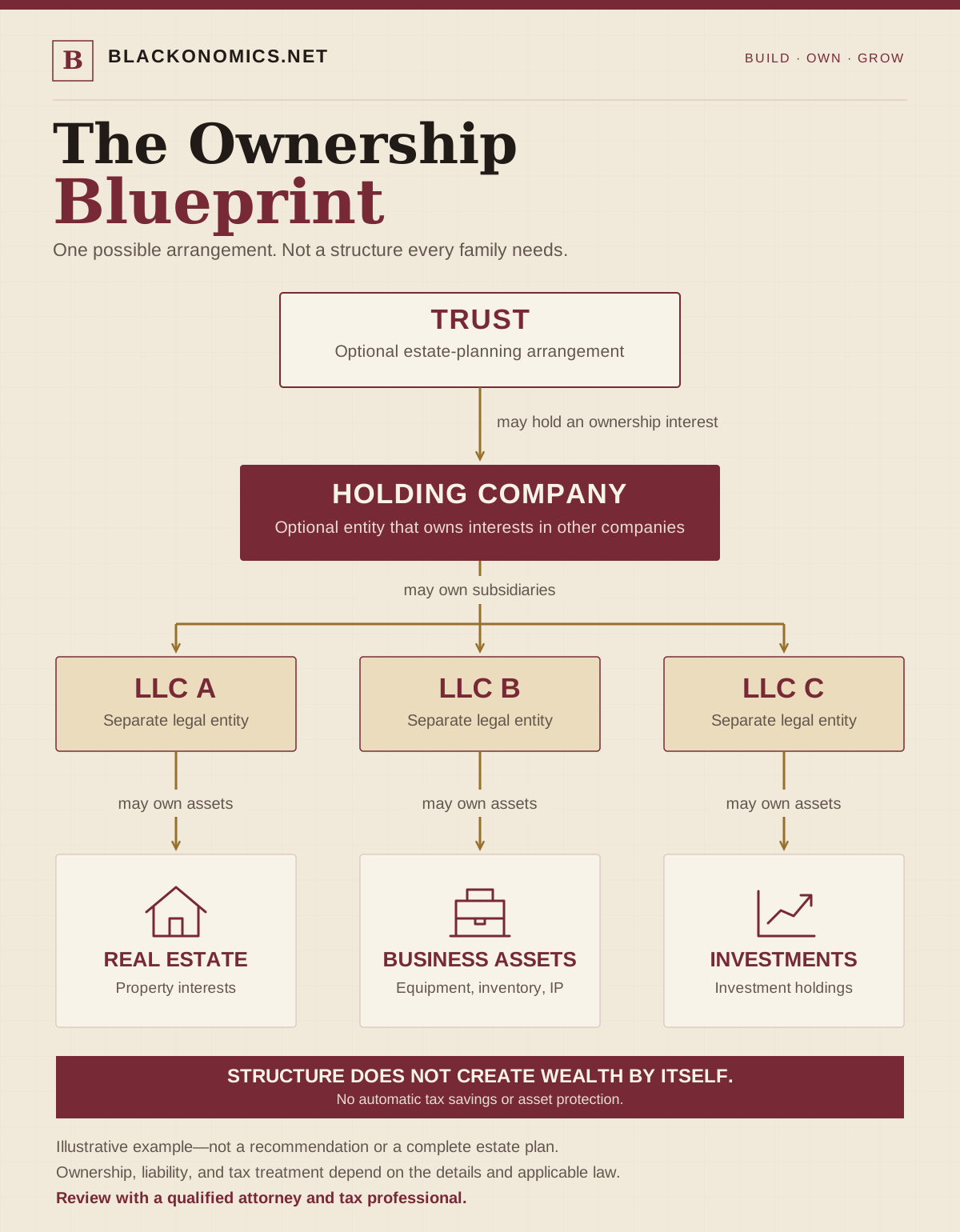
01
The limited liability company (LLC)
An LLC is a legal entity created under state law. Owners are called members. In general, an LLC is designed to keep the business’s debts and obligations separate from members’ personal assets, and it can be run with relatively simple rules.
How an LLC is taxed, what it costs to maintain, and how well it separates personal and business liability vary by state and by how it is operated.
- Typically governed by an operating agreement that sets out who owns what, who decides, and what happens if an owner leaves.
- Keeping finances separate and following the entity’s required filings matters; skipping them can weaken the separation.
02
The holding company
A holding company is an entity whose main job is to own other things, such as one or more operating businesses, property, or intellectual property. It does not need to sell anything to customers.
Owners sometimes use a holding company to organize several ventures under one owner, to keep valuable assets such as real estate in a separate entity from the business that operates in the building, or to simplify how ownership is shared.
A holding company adds filings, costs, and tax questions. It does not guarantee protection, and the right setup depends on facts a professional must review.
03
The trust
A trust is a legal arrangement in which a person (the grantor) places assets under the care of a trustee for the benefit of named beneficiaries, following written terms.
Families use trusts to describe how assets should be managed and passed on, sometimes to reduce delay and cost at death, and to set conditions for younger or vulnerable beneficiaries. A trust can hold business interests, including membership interests in an LLC.
- Revocable and irrevocable trusts work differently and have different legal and tax consequences.
- Signing trust documents alone generally does not transfer every asset. Have a qualified professional confirm how particular assets or business interests should be transferred and documented.
04
How the pieces can fit together
The diagram above shows one illustrative ownership arrangement without naming anyone: an owner or family, a trust that holds ownership for beneficiaries, a holding company beneath it, and operating businesses or property in separate entities.
It is a teaching illustration, not a recommendation. Many businesses need only one entity, and a more complex structure can cost more than it helps.
05
Questions to bring to a professional
Come prepared. A short list of questions makes a paid meeting more useful.
- Which structure fits my state, my risks, and my goals, and what will it cost to set up and maintain each year?
- How will each option be taxed in my situation?
- What must I do to keep the entity respected, such as filings, records, and separate accounts?
- Who decides if I am unable to act, and what happens to my ownership if I die?
- How will lenders, landlords, and insurers treat this structure?
This guide is educational. It is not legal, tax, or investment advice, and it does not promise protection or tax savings.
Official sources
Official overview of common business structures.
Official information on how structures are treated for federal tax.
External sites have their own policies and may change. Confirm current requirements with the agency or a qualified professional. Also see the state filing directory.